
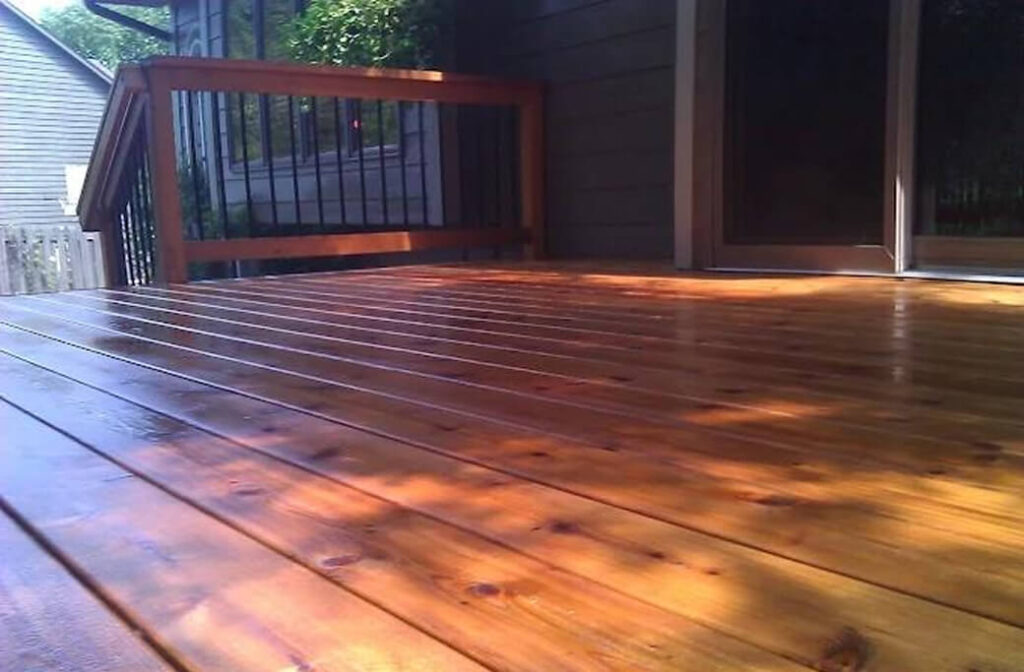
How Long Does Deck Stain Last in Minnesota? Signs It Is Time to Refinish
The short answer: many homeowners should expect to evaluate a stained deck every two to three years, but Minnesota weather can shorten (or occasionally extend) that timeline. Sun exposure, snow and standing moisture, foot traffic, wood condition, preparation, and the type of stain all matter more than the calendar alone.
A deck can still look acceptable from the kitchen window, while beginning to lose protection in high-wear areas. Catching that change early is usually easier than waiting for widespread peeling, gray wood, splinters, or moisture damage. Here is how to judge the finish and plan the next step.
Practical Minnesota Deck-Staining Timeline
A two-to-three-year review cycle is a useful starting point. Sherwin-Williams recommends planning to stain a deck every two to three years, while also noting that climate and wear affect the schedule. Its deck-staining planning guide is a helpful general reference, not a substitute for evaluating the actual boards and existing coating.
Horizontal surfaces usually show wear first because they hold snow and water, receive direct sun, and take foot and furniture traffic. Railings and vertical surfaces may still look solid when floorboards and stair treads are already ready for attention. A transparent or semi-transparent finish can also weather differently from a solid-color stain or paint.
Seven Signs Your Deck May Be Ready to Refinish
- Water soaks in instead of beading. Sprinkle water on several clean, representative areas. If it darkens the wood and absorbs quickly rather than beading, the surface may no longer repel moisture effectively.
- Color has faded unevenly. Fading is often strongest on south- or west-facing sections and around frequently used doors, stairs, and furniture paths.
- The finish is peeling, flaking, or lifting. Loose coating is more than a cosmetic problem. New material needs a sound, properly prepared surface to bond well.
- The boards are turning gray. Gray or silvered wood usually indicates weathering at the surface. The deck may need cleaning and preparation before a new finish is applied.
- Dark spots or mildew keep returning. Persistent staining can point to moisture, shade, debris buildup, or a surface that needs more than another coat.
- Bare wood is showing at edges and traffic lanes. Wear often appears first at stair nosings, around rail posts, and along the main route across the deck.
- The surface feels rough or splintered. A rough surface can signal weathered fibers and may require sanding or other preparation before refinishing.
Why Deck Stain Can Fail Early
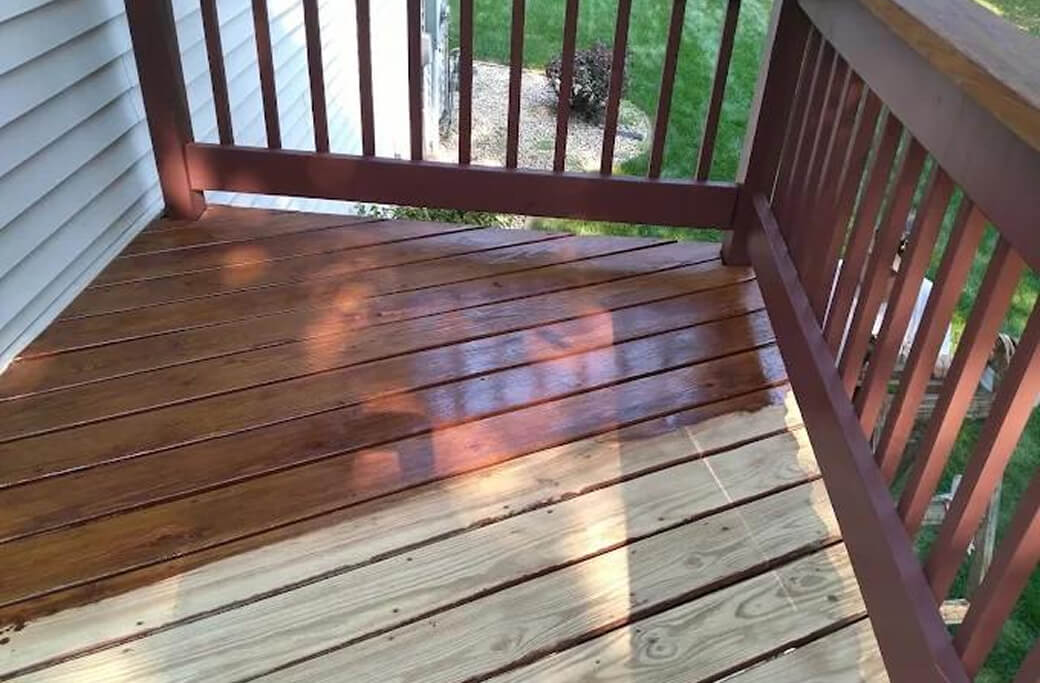
Even a good product can disappoint if the wood was damp, dirty, glossy, or still holding an incompatible old finish. Early failure can also come from applying stain in direct, intense sun; coating during a narrow or wet weather window; skipping needed stripping or sanding; or applying more product than the wood can absorb.
Preparation should match the deck’s condition. That may include cleaning, pressure washing, stripping loose or incompatible coatings, sanding weathered fibers, and allowing the wood to dry. Schwartz & Sons lists those steps among its deck staining and refinishing services for homeowners in its service area.
The goal is not simply to make the deck darker again. It is to create a clean, stable surface and use a finish suited to the wood, the existing coating, and the exposure.
Can You Stain Over Old Deck Stain?
Sometimes, but only when the existing finish is compatible and firmly bonded. If the old coating is peeling, glossy, contaminated, or failing in patches, applying a new layer over it can lock in the problem instead of fixing it. Changing from one product type or opacity to another may also require additional removal and preparation.
A professional assessment should identify what is on the deck now, how sound it is, and whether cleaning, sanding, stripping, or spot repair is appropriate. This is one reason a condition-based estimate is more useful than choosing a finish from a color swatch alone.
When Is The Best Time To Refinish A Deck In Minnesota?
Deck refinishing needs a workable stretch of dry weather and surface temperatures that fit the chosen product. Spring and early summer are common planning periods, but fall can also work when the forecast, temperatures, daylight, and wood moisture cooperate. October is a smart time to inspect the deck even if conditions point to scheduling the work for the next suitable weather window.
Look at the floorboards, stairs, railings, shaded sections, and areas beneath planters or outdoor rugs. Photograph problem spots before snow cover arrives. That record makes it easier to compare changes and discuss the project later.
What Professional Deck Refinishing May Include
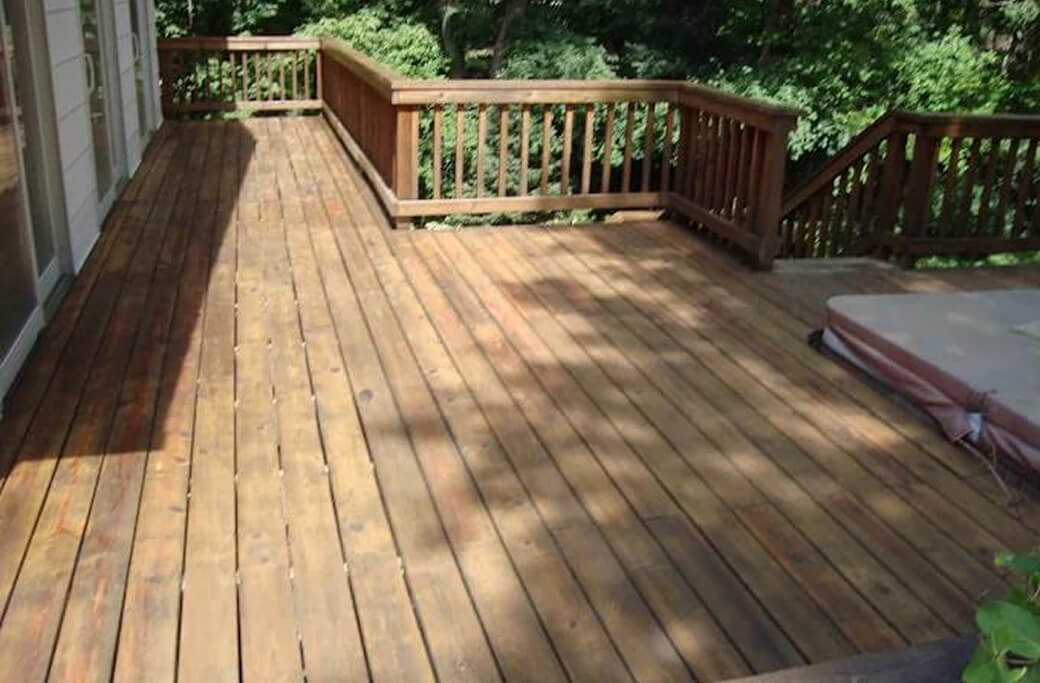
- Inspecting the wood, fasteners, previous coating, and areas of uneven wear
- Protecting the home, landscaping, and adjacent surfaces
- Cleaning and, when appropriate, pressure washing the deck
- Stripping failed or incompatible material and sanding where needed
- Allowing the wood to dry before coating
- Applying a compatible stain, sealer, or paint under suitable conditions
- Explaining curing time and simple maintenance after the project
If you are also planning repairs or appearance upgrades, review these practical ideas for upgrading a deck before finalizing the refinishing scope.
Simple Annual Deck Check
Once a year, ideally after snowmelt and again before winter, clear leaves and debris, look for trapped moisture, check railings and stairs, and note areas where water no longer beads. Avoid assuming that a pressure washer or another coat will solve every issue. Too much pressure can damage wood fibers, and coating over a weak surface can lead to another short-lived result.
If the deck is fading evenly, but the finish remains sound, maintenance may be straightforward. If it is peeling, gray, splintered, or absorbing water in patches, ask for an on-site evaluation.
Ready To Plan Your Deck Refinishing Project?
Schwartz & Sons can assess the existing finish, explain the preparation the deck needs, and recommend a practical next step. Explore the company’s deck staining and refinishing service, or request a painting or staining estimate for your Minnesota home.
Frequently asked questions
The existing coating, wood condition, desired appearance, and maintenance expectations all matter. A professional should identify the current finish before recommending a compatible system.
No. It is a useful screening check, but the wood also needs to be clean, sound, properly prepared, and dry enough for the selected product.
It can be possible during a suitable dry, mild weather window, depending on the product and site conditions. An inspection in October is valuable even when the project is better scheduled for a later window.
Pressure washing can clean a deck and remove some loose material, but it is not always a complete stripping method. Excessive pressure can damage wood, so the preparation approach should match the coating and condition.