
How Often Should a Commercial Building Be Repainted? A Planning Guide for Minnesota Properties
The short answer: there is no single repainting interval that fits every commercial property. A better plan is to inspect painted surfaces at least once a year and schedule work according to traffic, cleaning, moisture, sun exposure, substrate condition, brand standards, and the experience you want customers and tenants to have.
A calendar can help with budgeting, but the condition should make the final decision. A busy entrance may need attention well before a private office. A shaded exterior wall may age differently from a south- or west-facing elevation. The most useful repainting plan separates those areas instead of treating the entire property as one surface.
Start With Annual Condition Reviews, Not A Fixed Deadline
Include painted interiors and exteriors in an annual property walk-through. Record the condition with dated photos and note whether the issue is ordinary wear, moisture, impact damage, failed sealant, surface contamination, or an underlying repair. This gives decision-makers evidence for budgeting and helps prevent a large project from becoming an emergency.
For multi-tenant or multi-building properties, track each area separately. A simple record should include the location, surface material, color, product if known, date last painted, preparation performed, and current condition. Benjamin Moore’s facilities-maintenance guidance also emphasizes tracking colors, products, and surfaces to make future repaints and touch-ups easier.
What Changes A Commercial Repainting Schedule?
- Traffic and contact. Corridors, entries, checkout areas, stairwells, loading routes, and shared spaces collect scuffs and impact damage faster than low-contact rooms.
- Cleaning frequency. Regular washing and disinfecting can wear a finish differently depending on the coating, cleaner, and technique used.
- Sun and weather exposure. Minnesota freeze-thaw cycles, wind-driven moisture, snow, and strong sun can make exterior elevations age at different rates.
- Surface and previous preparation. Drywall, masonry, wood, metal, and previously coated surfaces do not fail in the same way. The quality of earlier repair and preparation strongly affects the next cycle.
- Moisture and building movement. Peeling, bubbling, staining, or recurring cracks may require investigation before painting. A coating should not be used to hide an unresolved source problem.
- Appearance standards. Customer-facing spaces, leased properties, branded environments, and buildings being prepared for sale or occupancy may justify repainting before the coating technically fails.
- Operational windows. Lease turnovers, planned shutdowns, seasonal slow periods, construction phases, and access restrictions can determine the most efficient time to paint.
Interior Areas: Prioritize By Use
Divide the interior into high-, medium-, and low-wear zones. Entrances, hallways, public restrooms, break rooms, conference rooms, and tenant turnover spaces often deserve more frequent review. Private offices, storage areas, and upper wall sections may remain serviceable longer.
A repaint does not always need to involve the whole interior. A phased plan can first address the most visible or worn spaces, maintain color consistency, and align work with access windows. Schwartz & Sons’ commercial interior painting service supports projects where careful preparation and scheduling matter.
Touch-ups are most successful when the original color and product are documented and the surrounding finish has not faded or changed sheen. Otherwise, a full wall or defined area may produce a more uniform result.
Exterior Areas: Inspect Exposure And Failure Points
Exterior paint is part appearance and part protection. Inspect elevations separately and pay special attention to trim, doors, fascia, joints, lower walls near snow storage, areas around drainage, and surfaces exposed to direct afternoon sun.
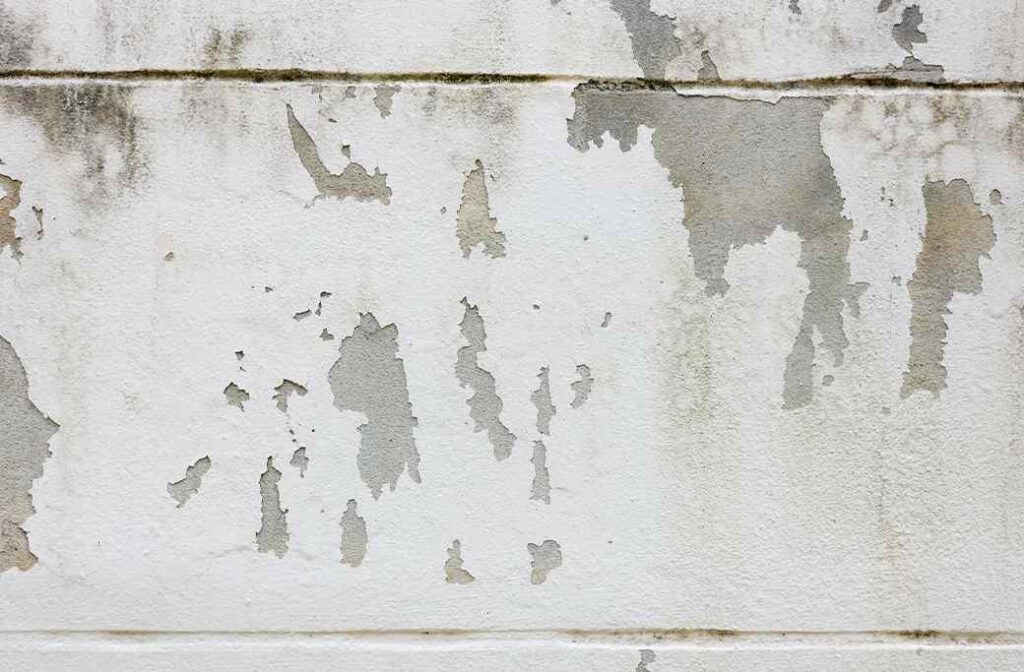
Warning signs include fading, chalking, peeling, bubbling, cracking, exposed substrate, failed caulk, rust staining, and recurring moisture marks. The article 5 Clear Signs Your Andover Business Needs a New Paint Job offers a useful visual starting point.
If a problem keeps returning, determine whether repair, moisture control, sealant work, or another trade is needed before repainting. The scope should address the cause and the coating—not merely cover the symptom.
Build A Repainting Plan Around Business Operations
The best time to repaint is not always the first date when the surface looks worn. It is the window when access, preparation, drying time, ventilation, occupant communication, and other work can be coordinated safely and efficiently.
- List spaces or elevations in priority order and identify who uses each one.
- Document access restrictions, security requirements, delivery hours, tenant schedules, and noise-sensitive periods.
- Decide whether work should be phased by floor, room, elevation, or business unit.
- Identify repairs and other trades that must finish before painting begins.
- Confirm colors, sheen, finish expectations, and who has approval authority.
- Plan protected routes for occupants, staff, customers, and materials.
- Communicate curing or re-entry limits that apply to the selected products and conditions.
Preparation should be part of the schedule, not an afterthought. Read Why Prep Work Quietly Decides How Long Your Commercial Paint Actually Lasts for more detail on why cleaning, repairs, masking, and surface preparation affect durability.
When Should You Repaint Before Visible Failure?
Some projects are driven by business needs rather than coating failure. A refreshed space may support a rebrand, tenant turnover, property listing, ownership change, renovation, new signage, or a more consistent customer experience. Planning ahead gives the team more flexibility to coordinate colors, approvals, access, and sequencing.
For exteriors, proactive planning can also keep small areas of wear from becoming widespread surface-preparation work. For interiors, it can prevent a high-visibility room from looking neglected during an important opening, inspection, lease event, or customer visit.
What To Include In A Commercial Painting Estimate
A useful estimate should define the surfaces and areas included, the preparation assumptions, the planned coating system, protection and cleanup, access needs, phasing, exclusions, and the process for handling changed conditions. Decision-makers should also clarify who moves furniture or equipment, how occupied areas will be coordinated, and whether related repairs are inside or outside the painter’s scope.
The right scope begins with the building, not a generic interval. Review Schwartz & Sons’ commercial exterior painting service and commercial interior painting service to identify the most relevant starting point.
Turn The Repainting Cycle Into A Maintenance System
After the project, keep the approved colors and product information with the property record. Add completion photos, note the preparation performed, and schedule the next annual review. Keep a short list of areas that typically wear first. That record makes it easier to distinguish a small maintenance need from a broader repainting project.
For a wider property-care framework, see these commercial property maintenance strategies and incorporate painting into the same inspection and budgeting rhythm.
Plan The Next Commercial Painting Project
Schwartz & Sons can evaluate the current finish, discuss access and phasing, and develop a scope for the areas that need attention. Request a commercial painting estimate to begin planning for your Minnesota property.
Frequently Asked Questions
Not necessarily. Phasing by area, elevation, floor, or tenant space can make the project easier to schedule and may focus the budget on the surfaces that need attention first.
Sometimes. Touch-ups work best when the original product and color are known and the surrounding finish has not changed noticeably. A full wall or defined area may look more uniform.
Peeling, bubbling, exposed substrate, failed caulk, rust staining, and recurring moisture marks deserve prompt evaluation. Some conditions require repair before repainting.
Define work zones, access routes, occupant schedules, approval responsibilities, ventilation needs, and curing limitations before work begins. Phased scheduling can help keep unaffected areas available.
Keep colors, products, sheen, surfaces, completion dates, preparation notes, photos, and any maintenance instructions. Those records simplify future touch-ups, budgeting, and estimates.