
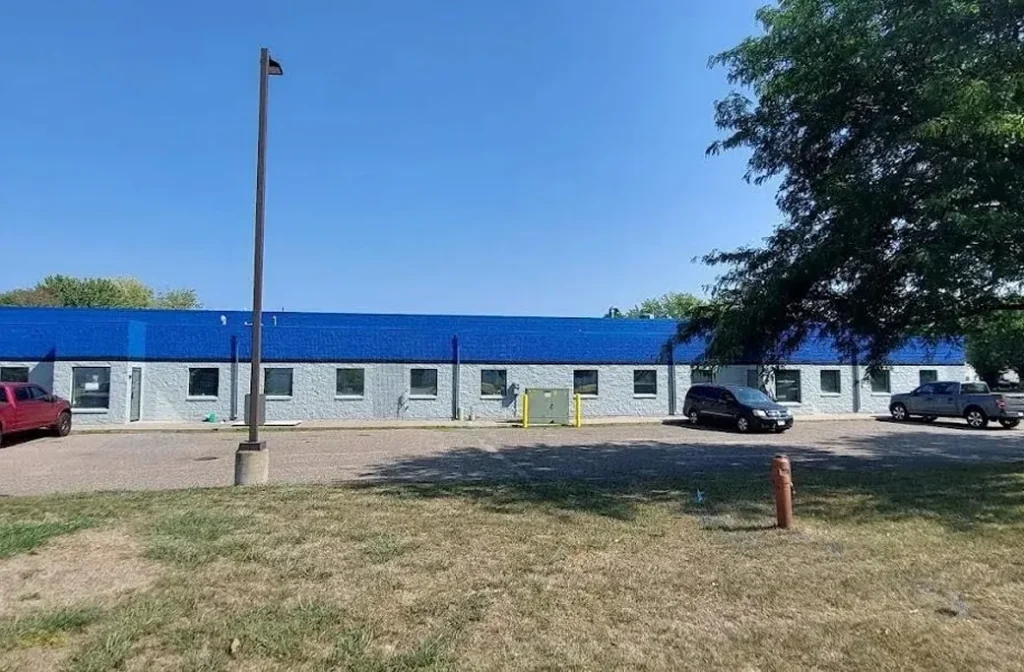
Why Does Paint Peel on Commercial Building Exteriors in Minnesota?
Peeling paint on a commercial building is usually a symptom, not the entire problem. Moisture, poorly bonded old coatings, inadequate surface preparation and unsuitable application conditions can all contribute to failure. Before repainting, the important question is why the existing finish is letting go, and whether the cause has been corrected.
Why Does Exterior Paint Lose Adhesion?
Paint needs a clean, dry, properly prepared surface to stick and last. When new paint is applied over dirt, chalky or peeling paint, or loose material, it may not bond properly. Paint can also fail if the surface is damp, the new paint isn’t compatible with the existing coating, or it’s applied in temperatures or weather conditions outside the manufacturer’s recommendations. The way paint peels can offer clues about what’s going wrong, but it’s important to identify the underlying cause before repainting.
Addressing peeling paint starts with understanding the underlying surface conditions. Our commercial exterior painting services include evaluating preparation needs before applying a new finish.
How Does Minnesota Weather Affect Commercial Exterior Paint?
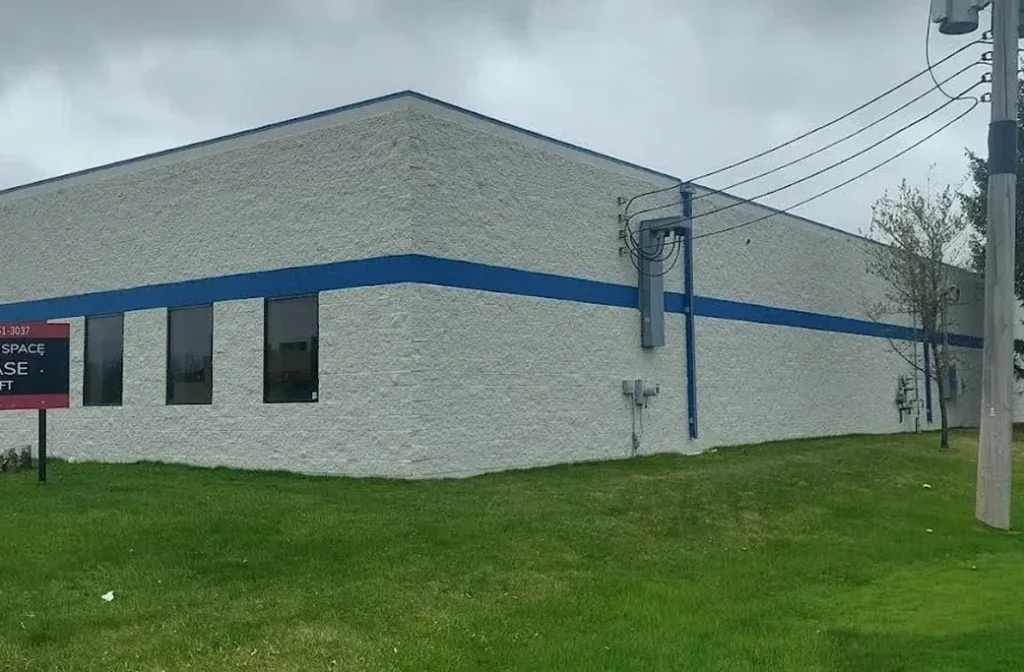
Freeze-thaw cycles, snow, rain and changing temperatures can expose vulnerable areas of an exterior. Water that enters through failed sealant, joints, or other openings can undermine coatings. Strong sun and weather exposure can also age paint over time. A commercial building’s wall material, orientation, drainage and maintenance history all influence how it performs. The right response is a site-specific inspection, not a one-size-fits-all repainting schedule.
Which Building Areas Should a Property Manager Inspect?
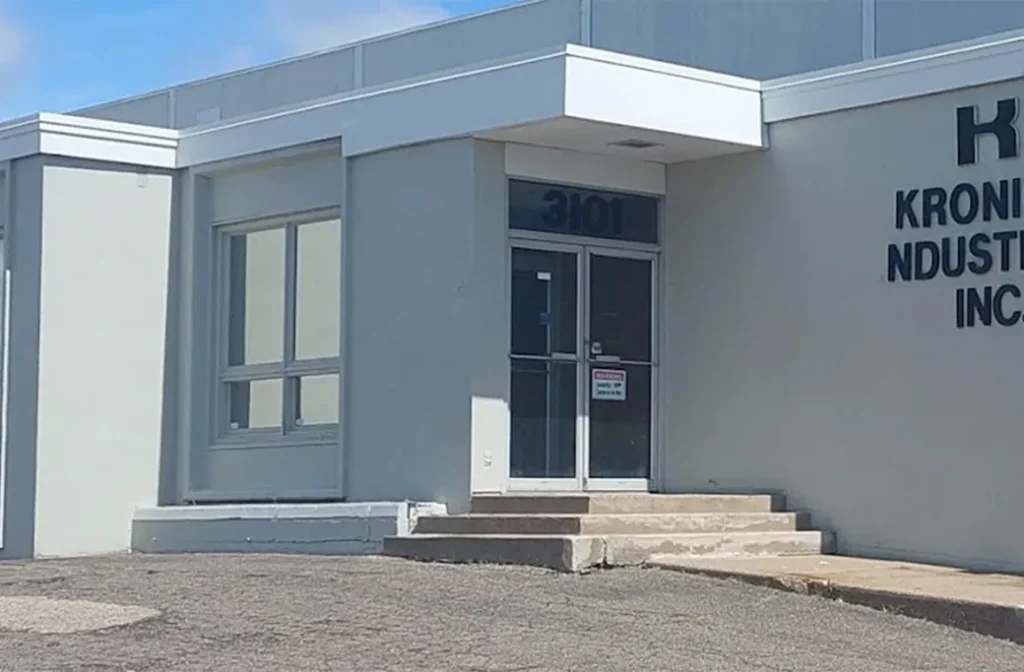
Start with areas where moisture or coating failure is visible: wall penetrations, joints, window and door surrounds, parapets, transitions between materials and places where water runs or collects. Record bubbling, cracking, flaking, chalking, and staining. Look for changes over time, particularly after heavy rain or snowmelt. Do not climb or enter unsafe areas to investigate; arrange professional evaluation where access or height is a concern.
What Is the Difference Between Peeling, Blistering and Chalking?
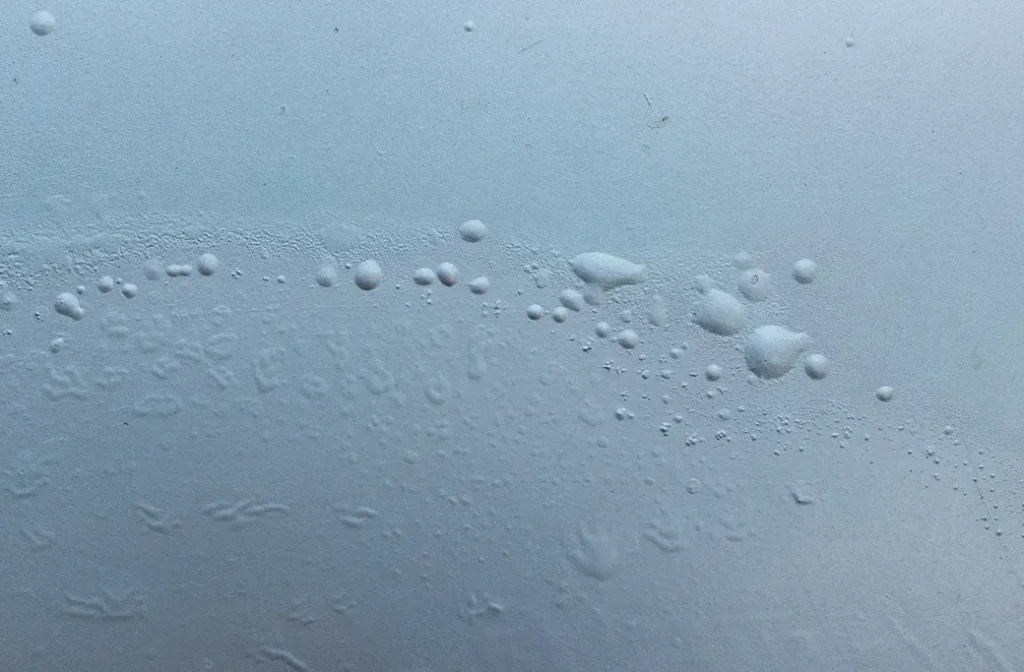
Peeling is a loss of adhesion that allows coating to lift or flake away. Blistering appears as raised bubbles beneath the paint film and can have more than one cause. Chalking is a powdery residue that can develop as some coatings weather. These conditions may require different preparation methods. Painting directly over them can leave the underlying problem in place.
Should a Commercial Building Be Repainted Immediately?
Not always. First, determine whether the issue is limited to a small, stable area or indicates widespread coating failure or active moisture. If there is water intrusion, damaged substrate or recurring failure, address that issue before cosmetic work. An inspection can help determine whether localized repairs or a broader repainting scope is appropriate. Ask the contractor to explain the preparation and coating approach for each surface type.
Not every building needs a complete repaint at the first sign of peeling. For additional guidance on maintenance planning, read about how often a commercial building should be repainted.
How Should You Prepare for a Commercial Exterior Painting Estimate?
Provide the building address, photos of affected areas, known leak or repair history, and any previous coating information you have. Identify areas with access restrictions, business operations that must continue, and surfaces that need closer evaluation. Ask what is included for cleaning, removal of loose paint, repairs, priming, caulking and finish coats. Also confirm the proposed application conditions and how weather delays will be handled.
If you’re planning a project in the northern Twin Cities area, learn more about our commercial exterior painting in Andover and Blaine and how to get started with an estimate.
Why Plan Exterior Coating Repairs During the Off-Season?
For commercial properties in Ham Lake, Andover, Blaine, Coon Rapids, Fridley, and Maple Grove, November is often better suited to document problems and plan future exterior work, than assuming every coating can be applied outdoors immediately. A contractor can evaluate conditions and recommend an appropriate window for preparation and painting. Product specifications and actual site conditions should guide timing.
Talk With Schwartz & Sons About Your Building Exterior
If you have noticed peeling, bubbling or flaking paint, start with a conversation about the surfaces and the likely preparation work. Learn about commercial painting services and ask which exterior services are appropriate for your property.
Frequently Asked Questions About Commercial Exterior Paint Peeling
Sometimes. The answer depends on how widespread the failure is, the condition of the underlying surface and whether a compatible repair will blend and perform acceptably.
No. Weather exposure is one factor. Moisture entry, substrate condition, preparation and coating compatibility can also be important.
Not if the underlying cause remains. Loose material and other adhesion problems generally need to be addressed before repainting.
That may be practical. Ask Schwartz & Sons about an evaluation and a schedule appropriate for the building, coatings and weather conditions.