
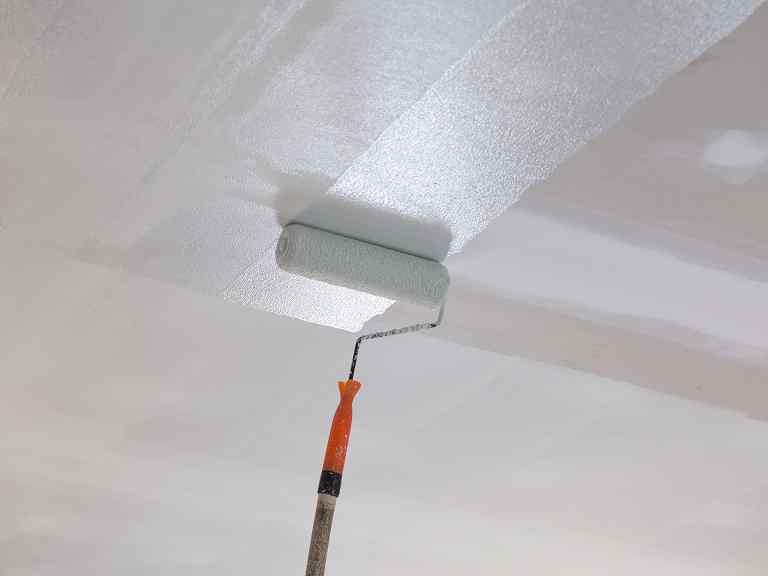
The Ceiling Most Businesses Forget to Paint
(And Why It Actually Matters More Than You Think)
Walk into almost any office, warehouse, or production facility and look up. Really look up.
You will probably notice the same thing painters notice right away. The walls look decent, the floors are maintained, the equipment is clean… but the ceiling often looks tired, dusty, stained, or simply ignored.
It happens all the time. When companies plan an interior repaint, attention naturally goes to the walls customers see and employees work around every day. Ceilings quietly get skipped, even though they make up a massive visual surface in the building.
The funny thing is that ceilings affect more than appearance. They influence lighting, sound, and even how comfortable a workspace feels. When they are refreshed along with the rest of the space, the entire building tends to feel brighter, cleaner, and more organized.
Commercial painters see this pattern constantly. Businesses invest in updating their space, but the ceiling remains the one piece that still looks like it belongs to the previous decade.
Why Ceilings Make a Bigger Difference Than Most People Expect
Many business owners are surprised how much a ceiling repaint changes the feel of a room. Even in large industrial spaces, the difference can be dramatic.
First, there is the lighting effect. Over time ceilings collect dust, smoke residue, and discoloration from HVAC systems. That dull surface stops reflecting light the way it should. When the ceiling gets a fresh coat, especially in lighter colors, the entire room appears brighter without changing a single light fixture.
In workplaces where visibility matters, that improvement is not just cosmetic. Better lighting can make daily tasks easier and reduce strain on employees who spend long hours inside the building.
Then there is the psychological side of things. A clean ceiling contributes to the sense that a workspace is maintained and cared for. It might seem subtle, but employees notice the difference when their environment feels updated instead of neglected.
Visitors notice it too.
Sound Control in Large Commercial Spaces
Ceilings also play a role in how sound behaves inside a building.
Warehouses, manufacturing spaces, and large retail environments tend to echo. High ceilings combined with hard surfaces create sound bounce that makes the space louder than it needs to be.
Certain coatings and specialized paints help soften that effect by absorbing some of the sound waves traveling through the space. These coatings are commonly used in facilities where machinery noise, equipment, or large open areas create constant background sound.
They are not a complete soundproofing solution, but they can noticeably reduce echo and improve overall acoustics.
For companies that deal with constant noise throughout the day, even small improvements can make the workspace feel more comfortable.
Color Choices That Influence the Feel of a Space
Ceilings are not limited to plain white. Businesses are starting to experiment more with color, especially in offices, retail stores, and hospitality environments.
In some spaces, darker ceilings help create a more intimate feeling. This works well in showrooms, restaurants, and meeting areas where the goal is to make the space feel warmer or more focused.
Other businesses choose bright, reflective ceilings that bounce light throughout the room. This approach works particularly well in warehouses, service bays, and manufacturing buildings where visibility is important.
The key is choosing a color that fits the purpose of the space rather than defaulting to whatever was used twenty years ago.
Professional commercial painters often help businesses evaluate these options before the project begins.
Creative Ceiling Ideas for Certain Commercial Spaces
Not every ceiling needs to be purely functional. Some industries take advantage of the overhead space to create a design element that stands out.
Patterned wallpaper or decorative finishes can occasionally be used in smaller spaces such as offices, meeting rooms, or event venues. When done correctly, it adds character without overwhelming the room.
Decorative coatings like metallic finishes or subtle glazes are sometimes used in banquet halls or reception areas where lighting fixtures already play a big role in the atmosphere.
These approaches are not common in industrial environments, but in the right setting they can help a space feel unique and intentional rather than purely utilitarian.
Methods Professionals Use to Paint Commercial Ceilings
Commercial ceiling painting is not always as simple as rolling paint overhead. The method used often depends on the height and design of the ceiling itself.
Dry-Fall Painting for Open Industrial Ceilings
Many warehouses and manufacturing buildings use a coating known as dry fall.
This type of paint is sprayed onto the ceiling structure and dries almost instantly as it falls through the air. Any overspray turns into dry dust before reaching the floor, which means it can simply be swept or vacuumed up afterward.
Dry fall coatings are especially useful in buildings with exposed beams, pipes, or ductwork because they allow painters to coat large areas efficiently without creating heavy drips on equipment below.
Spray Application for Smooth Surfaces
For office ceilings and retail environments, spraying is often the preferred method. It allows painters to apply an even coat quickly and produces a consistent finish across the entire surface.
This technique works best when the space can be properly masked and protected before painting begins.
Hand Painting for Detailed Areas
Some ceilings require a slower approach.
Historic buildings, decorative ceilings, or areas with detailed trim often need to be painted by hand. While it takes more time, this method allows painters to maintain precision around architectural details that spraying might miss.
Do Commercial Painters Need Scaffolding?
One question businesses often ask before starting a project is whether scaffolding will be required.
The answer depends almost entirely on ceiling height and building design.
Many dry fall applications can be completed from lifts or specialized equipment without installing large scaffold systems. However, extremely tall ceilings or areas with complex details sometimes require scaffolding so painters can safely reach every section.
Professional crews evaluate these factors during the planning phase so the work can be completed safely and efficiently.
Why Businesses in Coon Rapids Are Updating Their Ceilings
Commercial buildings in Minnesota deal with their own set of challenges.
Long winters mean doors are closed for extended periods, HVAC systems run constantly, and dust tends to settle on upper surfaces that rarely get cleaned. Over time ceilings begin to show that wear.
When companies decide to refresh their interior spaces, repainting the ceiling at the same time often makes the biggest visual difference.
A brighter ceiling improves lighting, enhances cleanliness, and helps the entire building feel more current.
That is why many commercial painting contractors now recommend evaluating ceilings whenever interior repainting is being planned.
A Fresh Ceiling Can Change the Entire Room
Most people never notice a ceiling when it looks good.
But when it is stained, darkened, or outdated, it quietly pulls down the appearance of the entire room.
Updating it during a commercial repaint is one of the easiest ways to give a workspace a cleaner and more professional look.
Businesses throughout Coon Rapids are starting to realize this simple truth. When the ceiling is refreshed along with the rest of the space, everything underneath it benefits.
Thinking About Updating Your Commercial Interior?
If your building is preparing for an interior repaint, it is worth taking a moment to look up before the project begins.
Ceilings often represent the largest untouched surface in a commercial space, and addressing them during a repaint can dramatically improve lighting, sound, and overall appearance.
For businesses in and around Coon Rapids MN, the team at Schwartz & Sons Painting works with companies of all sizes to update offices, warehouses, and industrial facilities with professional commercial painting services designed to minimize disruption and keep operations moving.
A fresh ceiling might not be the first thing people think about when planning a repaint, but once it is done, it is usually the first thing they notice.