
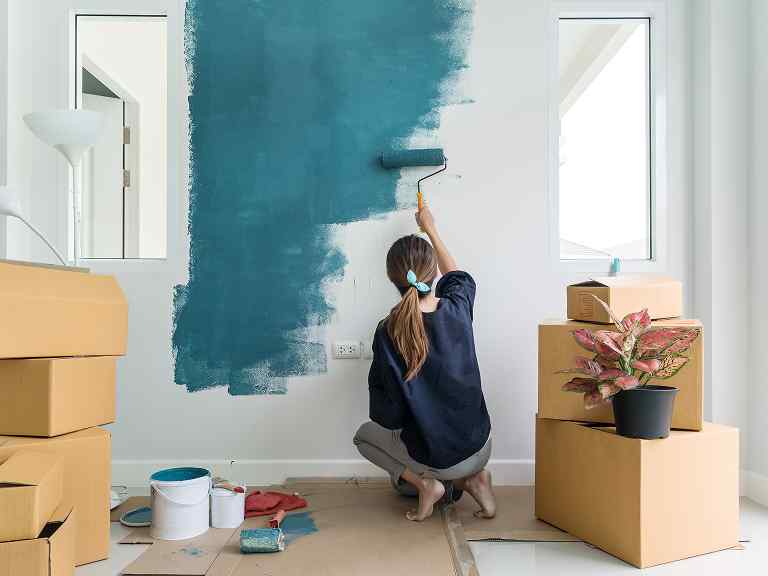
The DIY Route: “How Hard Can It Be?”
(Spoiler: Harder Than It Looks)
March in Blaine is that weird in-between stretch. Winter hasn’t fully left, but everyone is emotionally done with it. Snow piles are shrinking. The sun shows up more often. And suddenly you’re inside your house thinking, “Why have we never dealt with this wall before?”
That’s when the DIY idea walks in.
“We could probably paint this ourselves,” people tell me.
And to be fair, sometimes you can.
But Minnesota houses tend to add a few extra steps.
Why DIY Painting Feels Like a Reasonable Plan
Painting seems straightforward. No permits. No loud equipment. Just paint, a roller, and a free weekend that looks suspiciously open on the calendar.
But homes around Blaine go through serious seasonal swings. Freeze–thaw cycles cause small cracks. Dry winter air pulls walls tight. Trim shifts. And March sunlight has this unforgiving way of highlighting every uneven patch you thought was fine.
Interior painters in Blaine MN see this all the time. The idea starts simple. The walls quietly complicate things.
The Time Commitment Creeps In
DIY painting doesn’t usually stall because people quit. It drags because each step takes longer than expected.
You’re dealing with:
- Moving furniture out of the way
- Taking down wall décor
- Cleaning walls that looked clean yesterday
- Filling nail holes and hairline cracks
- Waiting for patches to dry
- Taping trim carefully
- Waiting between coats
- Cleaning brushes and rollers
- Touching up spots you missed the first time
All while still living in the space and stepping over drop cloths like it’s normal.
That “simple weekend project” quietly expands into another one.
Tools Add Up Faster Than Planned
If you don’t already own painting tools, the list gets long quickly.
Good brushes
Rollers that don’t shed
Drop cloths thick enough for Minnesota floors
Painter’s tape that won’t peel paint
Spackle, sanding sponges, caulk
Trays and extension poles
And if you grab the wrong thing for dry winter air, you’re heading back to the store. Again.
That’s usually when DIY stops feeling so cost-effective.
Technique Is Where Things Get Tricky
Painting looks easy until the light changes.
Cutting clean lines takes practice. Keeping a wet edge matters more than people expect. Covering darker colors can take extra coats. And Minnesota’s March light has a habit of revealing roller marks and uneven texture once the paint dries.
I’ve noticed most DIY painters don’t spot the issues until later in the day, when the sun hits the wall just right.
What Hiring Professionals Actually Covers
When homeowners hire painting contractors, they’re paying for more than someone to hold a roller.
Professional interior painters already know:
- How freeze–thaw cycles affect walls
- How to prep surfaces so cracks don’t come back
- How to smooth old patch jobs
- How to keep projects moving without rushing
That experience matters in homes that deal with real winters.
Speed Changes the Entire Feel of the Project
A room that might take a homeowner multiple weekends can often be finished by residential painters in a day.
Not rushed. Just efficient.
They know how to stage the room, sequence the work, and avoid bumping into freshly painted walls. Meanwhile, you’re not living around drying paint for weeks.
March in Blaine: Why Timing Makes Sense
March is actually a solid time for interior painting here.
Heating systems keep indoor air dry, which helps paint cure evenly. You’re indoors anyway. And finishing projects now means you’re not painting once spring sports, events, and yard work take over.
People tell me March feels like the moment you want the house to feel lighter again.
Prep Work Is Where DIY Often Falls Short
Rolling paint is the visible part. Prep is what decides how the walls look once everything settles.
DIY prep often includes:
- Filling obvious holes
- Light sanding
- Quick wipe-downs
- Taping trim carefully… or quickly
Professional prep usually includes:
- Repairing nail pops
- Addressing hairline cracks
- Smoothing previous patch work
- Sanding rough spots
- Priming repaired areas
- Cleaning dust most people miss
That extra effort doesn’t scream for attention. It just quietly makes the walls look better.
Budget Reality Check
DIY painting looks cheaper on paper.
But once you factor in tools, extra paint, fixing mistakes, and lost time, the difference shrinks. Especially in homes with older walls and detailed trim.
Hiring interior painters makes sense when:
- You’re painting multiple rooms
- You want things finished on a timeline
- You don’t want the project lingering
- You want consistent results in changing light
It’s less about saving money and more about saving patience.
Common Questions Homeowners Ask
“Can I paint some rooms myself and hire pros for the rest?”
Yes. Many homeowners handle smaller rooms and bring in painters for main living areas.
“Do I need to move all the furniture?”
Not always. Painting crews usually move and protect furniture, or they’ll let you know what needs to be shifted ahead of time.
“Is March really a good time to paint indoors?”
Yes. Indoor conditions are steady, and it’s a smart time to finish projects before spring fully arrives.
A Helpful Minnesota Resource
For general homeowner safety and home project guidance in Minnesota, this is a reliable place to look:
https://mn.gov
A Calm, No-Pressure Wrap-Up
DIY painting can be satisfying if you enjoy projects and don’t mind learning as you go. Hiring interior painters is a better fit if you want smoother results, faster completion, and fewer “why does this look different today?” moments.
There’s no right or wrong choice. Just different paths.
And if you ever want advice, a second opinion, or help finishing a project that’s grown bigger than expected, Schwartz & Sons Painting and other experienced interior painters around Blaine are there when you need them. No pressure. Just help when it makes sense.